
The formation, hardness, water absorption and uses of three popular natural stones; which one for which project?
The question we hear most when choosing natural stone is: 'Marble, travertine or granite?' The answer changes with the area of use, climate, budget and the look you want. Below we summarise seven key differences between the three stones with measurable values, so you can choose more knowledgeably as a buyer.
1. Formation
Marble forms when limestone changes metamorphically under heat and pressure, rearranging the calcite crystals. Travertine forms through precipitation of calcium carbonate from hot spring water. Granite is an igneous rock formed by magma cooling underground.
2. Hardness and strength
Granite is hardest (Mohs 6–7) with compressive strength of 130–200 MPa. Marble is Mohs 3–4 at 90–120 MPa; travertine is Mohs 3–4 at 55–80 MPa. Under heavy foot traffic granite is the most abrasion-resistant choice.
3. Water absorption
Granite absorbs 0.1–0.4%, marble 0.1–0.3% and travertine 1–2.5% water. Because travertine is porous it needs filling and impregnation; outdoors a brushed finish leaves voids unfilled and provides slip resistance.
4. Chemical resistance
Marble and travertine contain calcite and can dull when reacting with acids (vinegar, lemon, some cleaners). Granite, which contains quartz and feldspar, is very resistant to acids. This difference matters for kitchen countertops.
5. Appearance
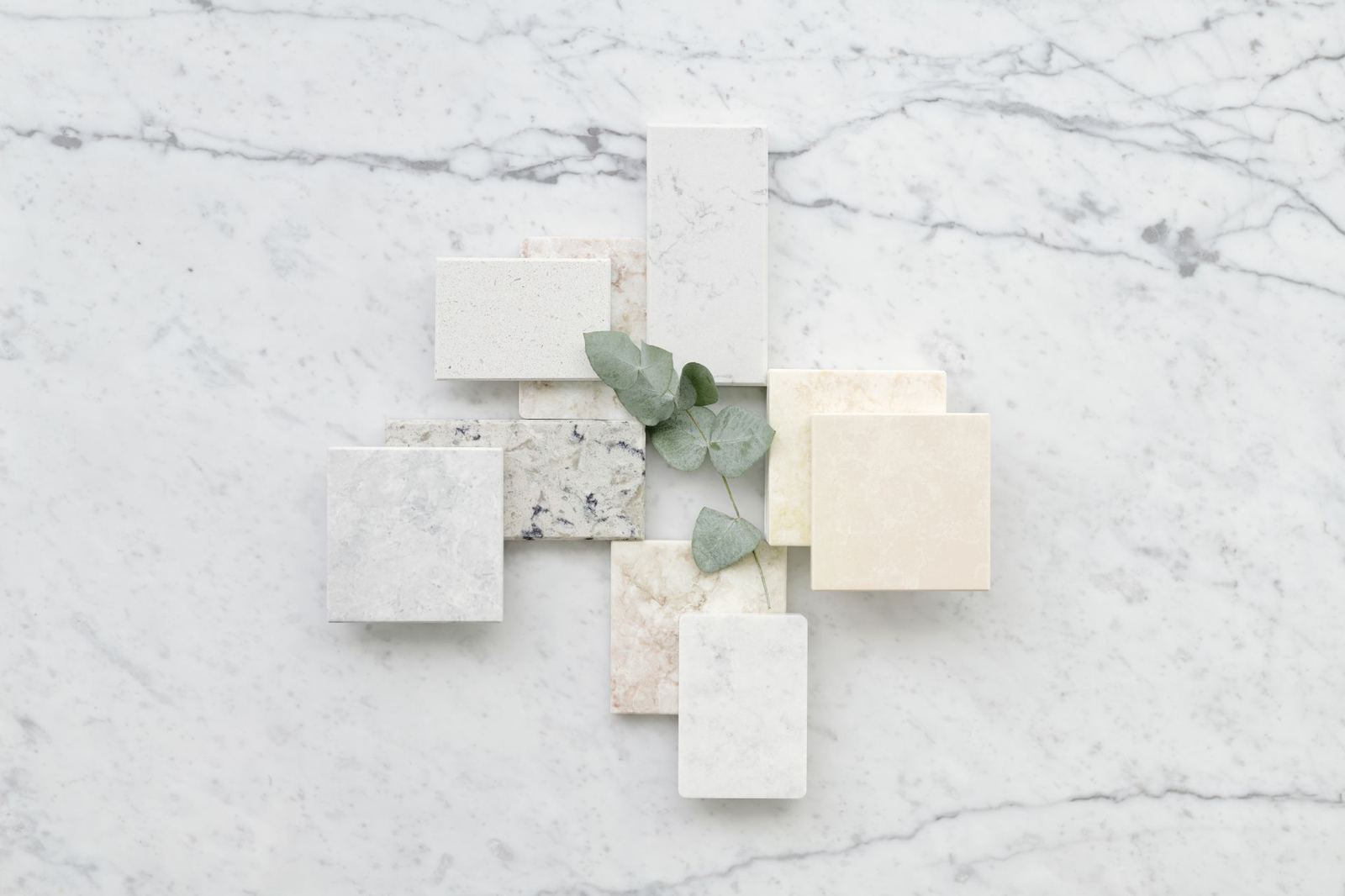
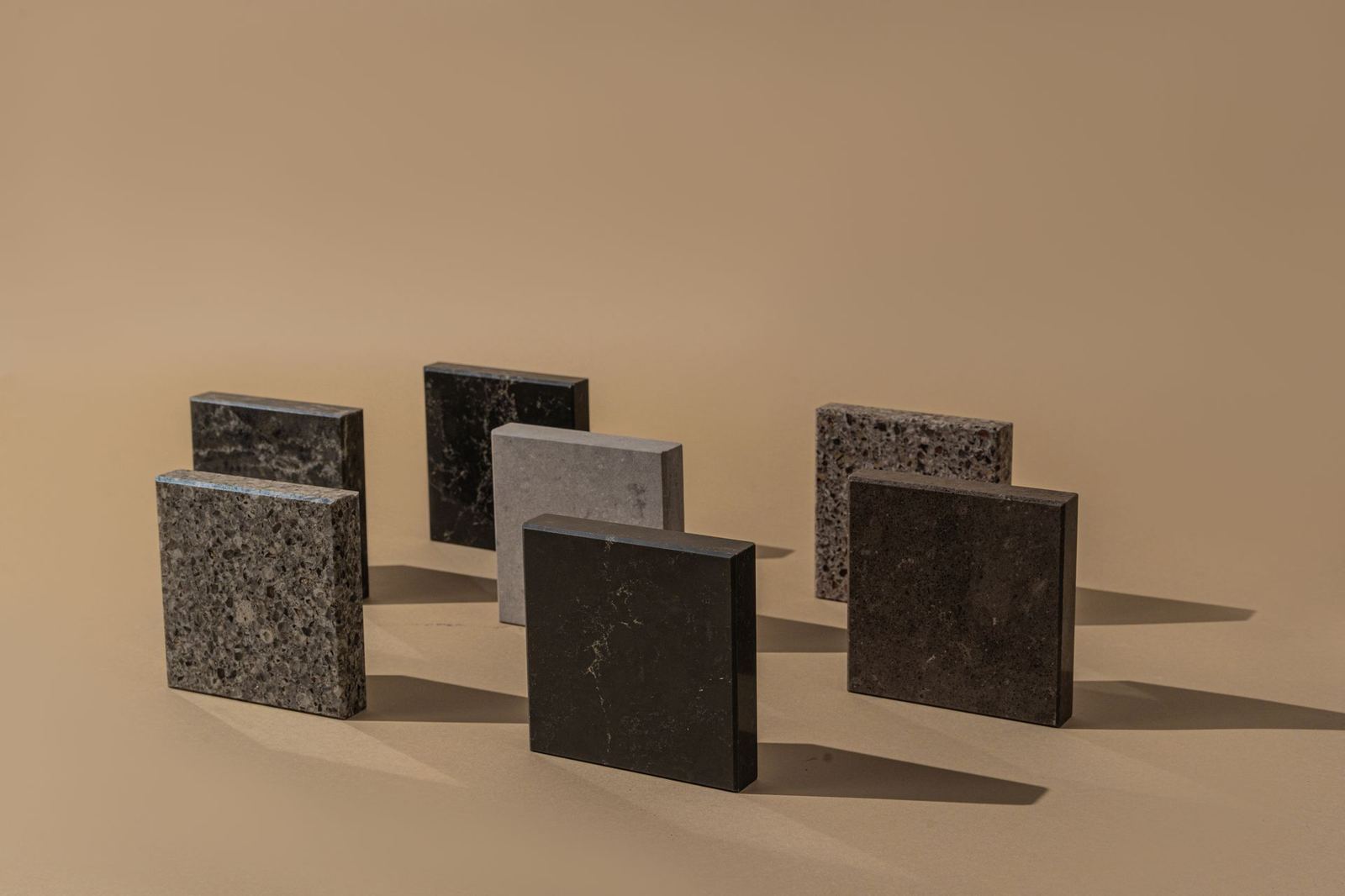
Marble offers a luxurious look with elegant veins and gloss; travertine is warm, linear and natural; granite is grainy, homogeneous and strong. Marble and travertine suit book-match cutting; granite is usually a single tone.
6. Price
In Petrova FOB prices, 2 cm grade-A travertine is 24–28 USD/m², Bilecik Kremi marble 34 USD/m², Anadolu Gri granite 38 USD/m² and Ege Beyazı 58 USD/m². Price is set by quarry yield, colour rarity and processing.
7. Maintenance
All three stones should be protected with an impregnator. Renew it once a year on marble and travertine and every two years on granite countertops. Use neutral-pH products instead of acidic cleaners. If you are undecided, send your project details; our export team will compare the alternatives and send recommendations with sample tiles.
A quick decision guide
- Hotel lobby or villa interior, aesthetics first: marble
- Exteriors, pool surrounds, economical budget: brushed travertine
- Heavy traffic, stations, squares, kitchen countertops: granite
- Very cold climate, de-icing salt: basalt or granite
This list is a starting point. When climate, usage intensity, architectural style and budget are considered together a different stone sometimes emerges; for example, in a hot climate a light-coloured limestone may reduce heating compared with white marble.